Did you know that 40% of small businesses face a risk of financial loss every year? Whether you’re a tech startup or a local bakery, navigating the world of small business insurance can sometimes feel like deciphering a new language. But fear not! This guide is designed to help you understand the three most crucial types of insurance your business needs to ensure a safety net when the unexpected strikes.
Having the right insurance is like having a silent partner who cushions you against the blows of unforeseen challenges. With the right coverage, you can focus on growing your business, knowing that you’ve got a safety net in place. So, let’s dive deep and unravel the mysteries of small business insurance, one policy at a time!



Understanding Small Business Insurance
Ever wonder why so many small businesses fail within the first five years? Here’s a hint: it’s not just about poor sales. Insufficient insurance can sink a business fast when disaster strikes.
Small business insurance is your safety net. It shields you from the unexpected, whether it’s a natural disaster, theft, or a lawsuit. Without it, you could be looking at massive financial losses that could shutter your doors for good.
The Importance of Insurance for Small Businesses
Think your business is too small to need insurance? Think again. Even the smallest hiccup can lead to crippling costs. And it’s not just about protecting physical assets. A single legal claim could cost thousands of dollars in fees and settlements. But here is the deal: with the right insurance, you won’t have to face these risks alone.
Pro Tip: Calculate the potential cost of replacing your inventory, equipment, and any other assets. This helps determine the level of insurance coverage you need.
Common Risks Faced by Small Businesses
Small businesses face a variety of risks daily. From property damage due to fire or natural disasters to liability claims from customers, the list is long. There’s also the risk of employee injuries or even data breaches in today’s digital era. Each risk brings its own set of challenges and potential costs.
Types of Insurance Policies for Small Businesses
Not all insurance policies are created equal. Here’s a quick rundown:
- General Liability Insurance: Covers legal issues due to accidents, injuries, and claims of negligence.
- Property Insurance: Protects your business assets from damage or theft.
- Workers’ Compensation: Provides benefits to employees who get injured or sick on the job.
- Cyber Liability Insurance: Shields your business from data breaches and cyber threats.
Each policy plays a unique role in keeping your business financially secure, especially in times of crisis.
Protection Against Financial Losses
Insurance isn’t just about compliance—it’s about survival. When disaster strikes, having the right policy can mean the difference between staying afloat or going under. Imagine facing a lawsuit without liability insurance: the costs alone could bankrupt you. But with insurance, you have a financial cushion to rely on.
When every penny counts, the right coverage transforms potential financial ruin into a manageable setback. It’s not just about protecting what you have, but ensuring your business can thrive no matter what comes your way.
Types of Small Business Insurance
Did you know that 40% of small businesses have never been insured? Shocking, right? But here’s the deal: not having the right insurance can spell disaster for your business.
If you’re running a small business, understanding the different types of insurance available is crucial. From protecting your premises to covering potential liabilities, the right policies can safeguard your financial future.
Key Insurance Policies Every Small Business Needs
Small businesses need to be prepared for anything. That’s why it’s important to have a mix of insurance policies tailored to your specific needs. Let’s dive into the essentials.
- General Liability Insurance: This covers claims related to bodily injuries, property damage, and advertising injuries. It’s your first line of defense against lawsuits.
- Professional Liability Insurance:
- Commercial Property Insurance: This protects your business’s physical assets, including buildings and equipment, against damage from events like fires and theft.
Here’s a quick comparison of these policies:
| Policy Type | Coverage Details | Cost Considerations | Applicability |
|---|---|---|---|
| General Liability | Injury claims, property damage, advertising errors | Varies based on business size and type | Essential for all businesses |
| Professional Liability | Claims of negligence or errors in services | Depends on industry and risk level | Vital for service-based businesses |
| Commercial Property | Damage to business premises and equipment | Based on property value and location | Critical for businesses with physical assets |
Having a comprehensive insurance strategy is like having a safety net for your business. By combining different policies, you can protect against a broad range of risks.
Pro Tip: Always reassess your insurance coverage annually to ensure it aligns with your evolving business needs.
Don’t just stop at one policy. Multiple policies offer a more robust shield, allowing you to focus on what you do best—growing your business!
Choosing the Right Insurance for Your Business
Did you know that 40% of small businesses have never been insured? Shocking, right? Choosing the right insurance can be a game-changer for your business.
Let’s walk through some key steps to ensure you’re fully covered without overspending.
Assessing Your Insurance Needs
First, you need to assess what your business truly requires. Start by listing all potential risks that could impact your business operations. Think about everything from natural disasters to cybersecurity threats.
Step #1: Evaluate your assets and liabilities. What do you stand to lose? This will help you identify the potential risks that require coverage. Make sure to involve key stakeholders in this process to get a comprehensive view.
Determining the Appropriate Level of Coverage
Now that you know your risks, it’s time to determine the level of coverage you need. Here’s the deal: more coverage isn’t always better. You need a strategy.
Step #2: Calculate the value of your business assets. This includes tangible items like inventory and equipment, as well as intangible elements like intellectual property.
Pro Tip:
Consider the worst-case scenario and work backward to calculate what coverage would be necessary to protect you in that situation.
Evaluating Insurance Providers
Don’t just go with the first insurance provider you find. You need to evaluate them based on their reliability and customer service. A bad provider can leave you hanging when you need them most.
Step #3: Check online reviews and ask for recommendations. A provider with stellar customer service will make all the difference when you need to file a claim.
Balancing Cost and Coverage
Finally, it’s all about striking the right balance between cost and coverage. You don’t want to break the bank, but you also don’t want to skimp on necessary protections.
Step #4: Compare quotes from multiple providers. Use a simple table to compare premiums, deductibles, and coverage limits.
| Provider | Premium | Deductible | Coverage Limit |
|---|---|---|---|
| Provider A | $500/month | $1,000 | $1,000,000 |
| Provider B | $450/month | $1,500 | $750,000 |
The Cost of Small Business Insurance
Ever wondered why some small businesses pay hefty insurance premiums while others don’t? It’s not just about your industry; multiple factors come into play.
The cost of small business insurance is influenced by several factors including the type of business you operate, the number of employees, your business location, and even your claims history. The more risk you present to an insurer, the higher your premiums will likely be. BUT, understanding these factors can help you manage these costs more effectively.
Factors Influencing Insurance Costs
When assessing your insurance costs, insurers look at various criteria. For example, a construction company will have different costs compared to a marketing agency. Physical factors like the area you operate in, your business assets, and the nature of your business play significant roles. The more physical assets or employees you have, the higher the potential liability, hence, higher premiums.
| Model Type | Key Features | Pros | Cons |
|---|---|---|---|
| Flat Rate | Fixed premium regardless of claims | Predictable costs | May not reward low-claim businesses |
| Experience-Based | Premiums adjusted based on claims history | Incentivizes fewer claims | Potentially volatile costs |
| Variable Rate | Premiums based on various risk factors | Customized for specific business needs | Complex calculations involved |
Strategies to Cut Down on Insurance Costs
Saving money on business insurance doesn’t mean you have to skimp on coverage. Here is the deal: the right strategies can help you reduce costs while maintaining adequate protection. Step #1: Compare quotes from different insurers. Step #2: Consider bundling policies. Many insurers offer discounts for bundling, making it a cost-effective strategy.
Pro Tip: Implement a risk management strategy. Insurers often provide discounts when you show you’re actively minimizing risks.
Step #3: Increase your deductible. It lowers your premiums immediately, but make sure you have enough cash flow to cover the deductible in case of a claim. And here’s a surprising fact: paying annually rather than monthly can sometimes come with a significant discount.
Legal Requirements and Compliance
Did you know that not having the right insurance could lead to hefty fines or even the closure of your business? That’s right. Compliance with insurance regulations isn’t just a formality—it’s a legal obligation.
Insurance requirements can vary wildly depending on your industry and location. Whether you’re a tech startup in California or a bakery in New York, understanding the legal nuances of insurance is crucial. Let’s dive into what you need to know.
Industry-Specific Insurance Requirements
Different industries come with different sets of rules. For instance, if you’re in construction, you’ll likely need liability insurance and workers’ compensation. Meanwhile, a food business might be required to have health inspection coverage. The key is to know what’s specific for your niche.
Pro Tip: Don’t just assume your insurance covers all bases. Verify industry-specific requirements to avoid surprises.
State and Country Legal Obligations
Legal obligations aren’t just industry-specific; they can also be location-specific. States like California mandate certain insurance types that other states might not. For example, workers’ compensation is a must in nearly every state, but the coverage amounts can differ. Similarly, some countries have unique mandates for businesses operating within their borders.
Here is the deal: Failing to comply with these legal requirements could lead to severe penalties. We’re talking about fines that could cripple your business or even lead to a shutdown. That’s why knowing and following these rules is non-negotiable.
Maintaining Compliance With Insurance Regulations
Want to stay out of legal trouble? Then you need to make sure your insurance policies are up-to-date and meet all local and industry requirements. Step #1, conduct a yearly audit of your coverage. Step #2, consult with an insurance expert who understands your industry’s specifics.
Remember, regulations can change, and what was compliant last year might not be sufficient today. Keep in the loop with any legislative changes that could affect your business. Ignorance isn’t bliss when it comes to legal compliance.
Claims Process for Small Business Insurance
Did you know that over 40% of small businesses will file an insurance claim in the next 10 years? Filing a claim can feel daunting, especially when you’re already facing a business setback. BUT with the right approach, it doesn’t have to be.
Here’s the deal: understanding the claims process is crucial for a smooth recovery. It comes down to knowing the steps, anticipating challenges, and utilizing best practices in disputes. Let’s break it down.
Step-by-Step Guide to Filing a Claim
You need to act fast when an incident occurs. First, document everything. Take photos, gather receipts, and jot down any details. Call your insurance provider immediately. This is Step #1. Your insurer will guide you through the next steps, but don’t forget: quick action can prevent claim denials.
Step #2, complete your claim form meticulously. Missing information could delay the process. Double-check every detail before submission. And here’s a crucial point: follow up consistently. Regular communication with your insurer can speed things up significantly.
Challenges in the Claims Process
Ever had a claim denied? It happens more often than you’d think. The common culprits? Incomplete documentation and unclear policy terms. To overcome these hurdles, review your policy in detail before filing. Ensure your claim aligns with your coverage.
Sometimes, the process stalls. Don’t panic. Pro Tip:
“Stay organized and persistent. Document every call and email with your insurer.”
This could be the difference between a swift payout and a lengthy dispute.
Best Practices in Claims Disputes
When disputes arise, negotiation is key. First, gather all evidence supporting your claim. Then, contact your insurer to discuss the differences. Remain calm and professional. If needed, involve a third-party mediator.
Here’s a best practice: maintain a well-documented record of all communications. This not only aids in resolving disputes but also strengthens your case if legal action becomes necessary.
Closure
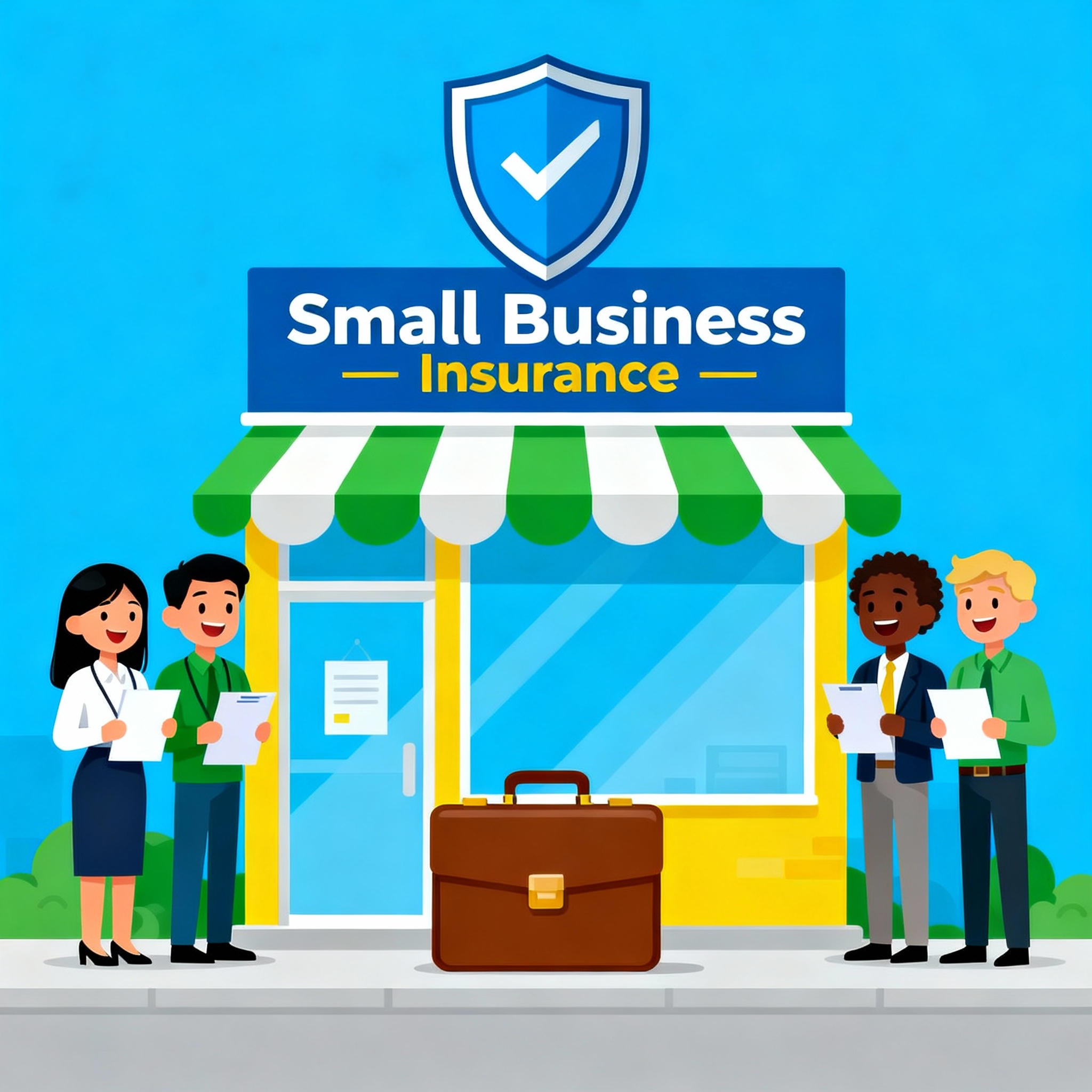
In the ever-evolving world of business, one thing remains constant: the need for protection. By understanding and selecting the right insurance policies, you’re not just safeguarding your assets—you’re securing peace of mind. It’s like having an umbrella on a rainy day; you might not need it all the time, but when the storm hits, you’ll be glad you have it. So, arm your business with the protection it deserves, and let it thrive with confidence!
Common Queries
What are the most common types of small business insurance?
The most common types include General Liability Insurance, Professional Liability Insurance, and Property Insurance.
How do I determine the right insurance coverage for my business?
Assess your specific risks, understand industry requirements, and consult with an insurance professional to tailor the coverage to your needs.
Are small business insurance costs tax-deductible?
Yes, in most cases, the premiums for business insurance policies can be deducted as business expenses.
What factors influence the cost of small business insurance?
Factors include the type of industry, location, number of employees, and the specific risks associated with your business operations.
What should I do if my insurance claim is denied?
Review the denial letter, understand the reason, provide any missing documentation, and consider appealing the decision with additional evidence.